Horse Arena Construction
Video: SRS Dirt Diggers excavation equipment clearing grading a horse arena.
Excavation for Horse Arenas
At SRS Dirt Diggers, we specialize in excavation for horse arenas that are built to perform and last. Whether for training, riding, or professional equestrian use, every arena project starts with the same foundation — precise grading, proper drainage, and a stable subgrade. We’ve spent decades perfecting the process to ensure every arena we excavate provides excellent footing, reliable water control, and long-term durability.
Excavating for a horse arena isn’t the same as grading a driveway or leveling a yard. It requires an understanding of soil behavior, drainage dynamics, and the specific demands of equestrian use. A properly excavated arena keeps horses safe, footing consistent, and maintenance low — while protecting your investment for years to come.
The Importance of a Proper Arena Excavation
A horse arena is only as good as the ground beneath it. Uneven compaction, poor drainage, or inadequate slope can lead to puddles, soft spots, and unstable footing. Over time, that means uneven wear, higher maintenance costs, and potential safety issues for both horses and riders. That’s why we treat every arena project with the same attention to detail as a foundation excavation.
We understand the unique demands that equestrian facilities face — from heavy hoof traffic to seasonal weather conditions. Our team ensures each arena site is prepared with the right balance of slope, compaction, and drainage so that it can handle year-round use, even during Washington’s wettest months.
Our Process for Horse Arena Excavation
Every successful arena project begins with a solid plan. Here’s what our process typically includes:
1. Site Evaluation
We start with a thorough site evaluation. Our team looks at soil conditions, existing grades, drainage flow, and access points. The natural lay of the land often determines how the arena should be oriented and how much cut or fill will be needed to achieve the correct grade. During this step, we also consider how the arena fits into the larger property — ensuring runoff water has a proper outlet and nearby structures or landscaping remain protected.
2. Planning and Estimate
After reviewing the site, we create a detailed plan and estimate. Our proposals outline everything from soil removal and fill requirements to drainage systems and slope specifications. Transparency matters to us — we want you to know exactly what’s being done, why it’s necessary, and how it benefits the final product.
3. Clearing and Preparation
Before excavation begins, we clear the area of vegetation, topsoil, and organic debris. The top layer of soil is typically too soft or unstable to build on, so it’s stripped away and either reused elsewhere or hauled off site. This step also includes installing erosion control measures, especially on sloped or environmentally sensitive sites.
4. Rough Grading and Earthwork
Using our own fleet of excavators, dozers, and graders, we begin shaping the arena. Precision is key at this stage. We cut high areas, fill low ones, and begin forming the proper slope for drainage — usually between 1% and 2%, depending on the design. Our operators use laser levels and GPS-guided equipment to maintain exact tolerances across the entire surface.
If material needs to be imported for fill, we use only clean, compactable aggregate that meets structural requirements. Each lift is compacted in layers to prevent future settling or soft spots.
5. Subgrade Stabilization
Once the arena’s rough grade is established, we focus on subgrade stabilization. Different soil types require different treatments. In clay-heavy soils, we may use structural gravel or geotextile fabric to improve load distribution and prevent movement. In sandy soils, we may need to adjust compaction or moisture levels for better stability. Our goal is to create a firm, uniform base that won’t shift or absorb excess moisture.
6. Drainage System Installation
Proper drainage is one of the most important parts of any horse arena excavation. Without it, even the best footing will eventually fail. We install drainage systems designed to move water away from the riding surface efficiently — typically including a network of perforated pipes, trench drains, or perimeter drains surrounded by clean gravel and filter fabric. We also ensure water exiting the arena is directed to a safe outlet area, not toward other structures or riding areas.
7. Fine Grading and Final Preparation
After the drainage system is in place, we complete the fine grading process. This is where precision really matters — minor variations can affect water flow and footing consistency. We smooth the surface to tight tolerances, check slopes, and ensure every inch of the arena drains exactly as intended. By the time we’re finished, the site is perfectly prepped for the next phase: installing the footing and fencing.
Specialized Knowledge for Equestrian Applications
Excavating for horse arenas requires an understanding of how horses move and how water behaves under different soils. The pressure from hooves, especially during turns and stops, creates concentrated loads that can quickly break down weak or uneven surfaces. That’s why we take the time to evaluate soil stability and compaction at each stage.
We’ve worked on all types of equestrian facilities — from private backyard arenas to larger commercial riding centers. Each site presents different challenges: groundwater issues, sloped terrain, limited access, or soft soils. Our team is experienced in solving those challenges with a combination of equipment, materials, and smart planning.
We also understand that every horse arena has its own purpose. A dressage arena, for example, requires a perfectly level, consistent base, while a jumping or training arena may need slightly different slope characteristics for drainage. We adapt our approach to match the intended use and ensure the final product performs exactly as needed.
Addressing Common Challenges
Washington’s terrain and climate can create unique challenges for equestrian properties. Common issues include:
-
High moisture content: In areas with heavy rainfall, proper drainage and soil stabilization are critical.
-
Clay or expansive soils: These can trap water or swell when wet, leading to uneven footing and structural problems.
-
Uneven terrain: Sloped sites often require careful cut-and-fill balancing to achieve the correct grade.
-
Limited access: Tight properties can make equipment staging difficult, so we plan access routes carefully.
We’ve handled all of these conditions and more, ensuring that the end result remains smooth, solid, and well-drained regardless of site complexity.
Why Choose SRS for Arena Excavation
SRS Dirt Diggers is a locally trusted excavation company with decades of experience in earthwork across Pierce, King, and surrounding counties. We bring the same level of care to arena projects as we do to large-scale commercial grading. Our team is known for clear communication, reliable scheduling, and precision work — the kind that stands the test of time.
Here’s what sets our horse arena excavation apart:
-
Proven expertise in equestrian site development and grading
-
Advanced equipment for accurate cuts and compaction
-
Comprehensive drainage solutions to handle Washington’s wet seasons
-
Transparent estimates with no hidden surprises
-
Hands-on project management from start to finish
We believe quality excavation is more than just moving dirt — it’s about creating a foundation that performs season after season. When we complete an arena site, we want our clients to feel confident that it’s ready for years of safe, dependable riding.
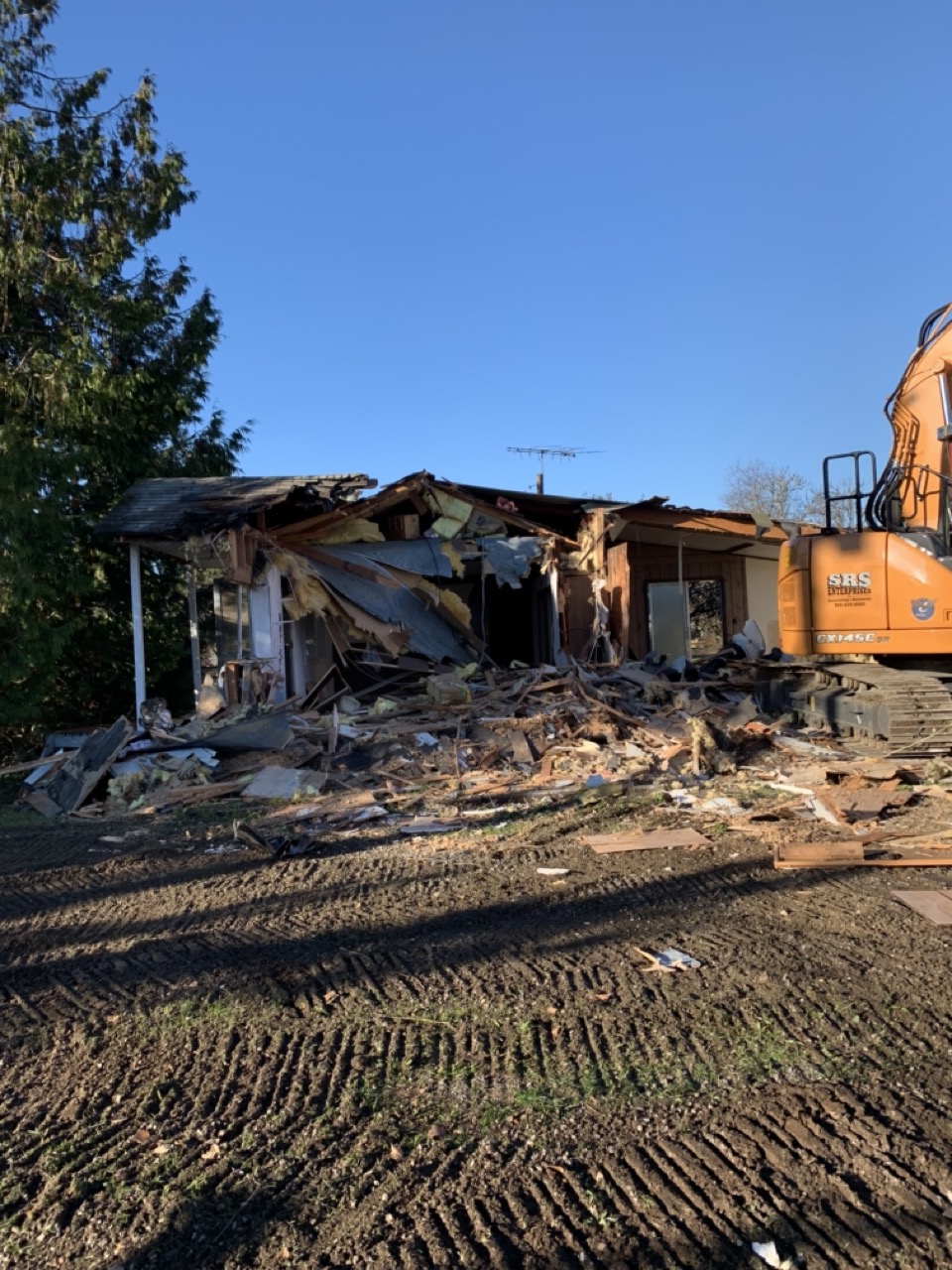
Demolishing Old Home
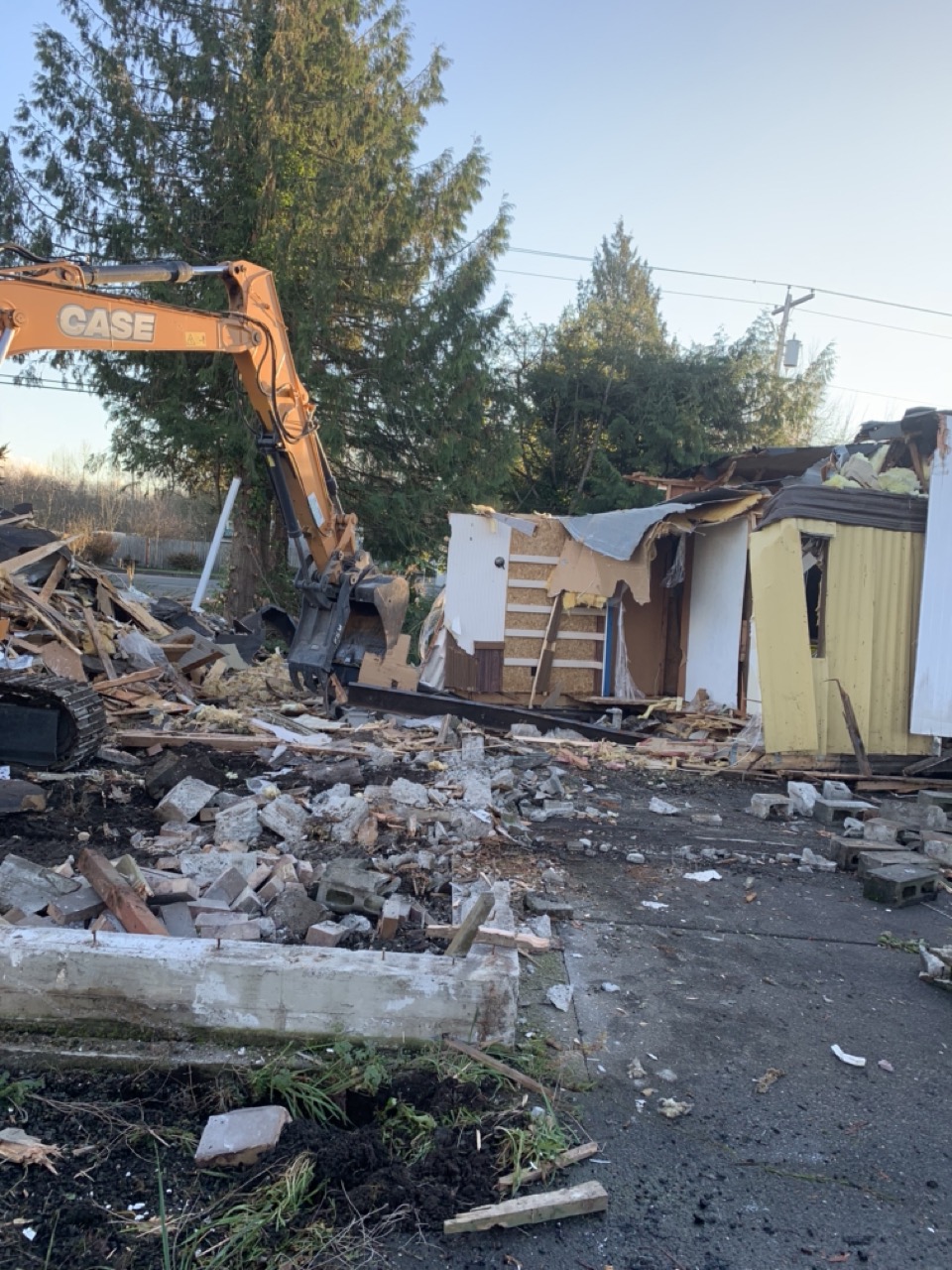
Removing Old Mobile Home
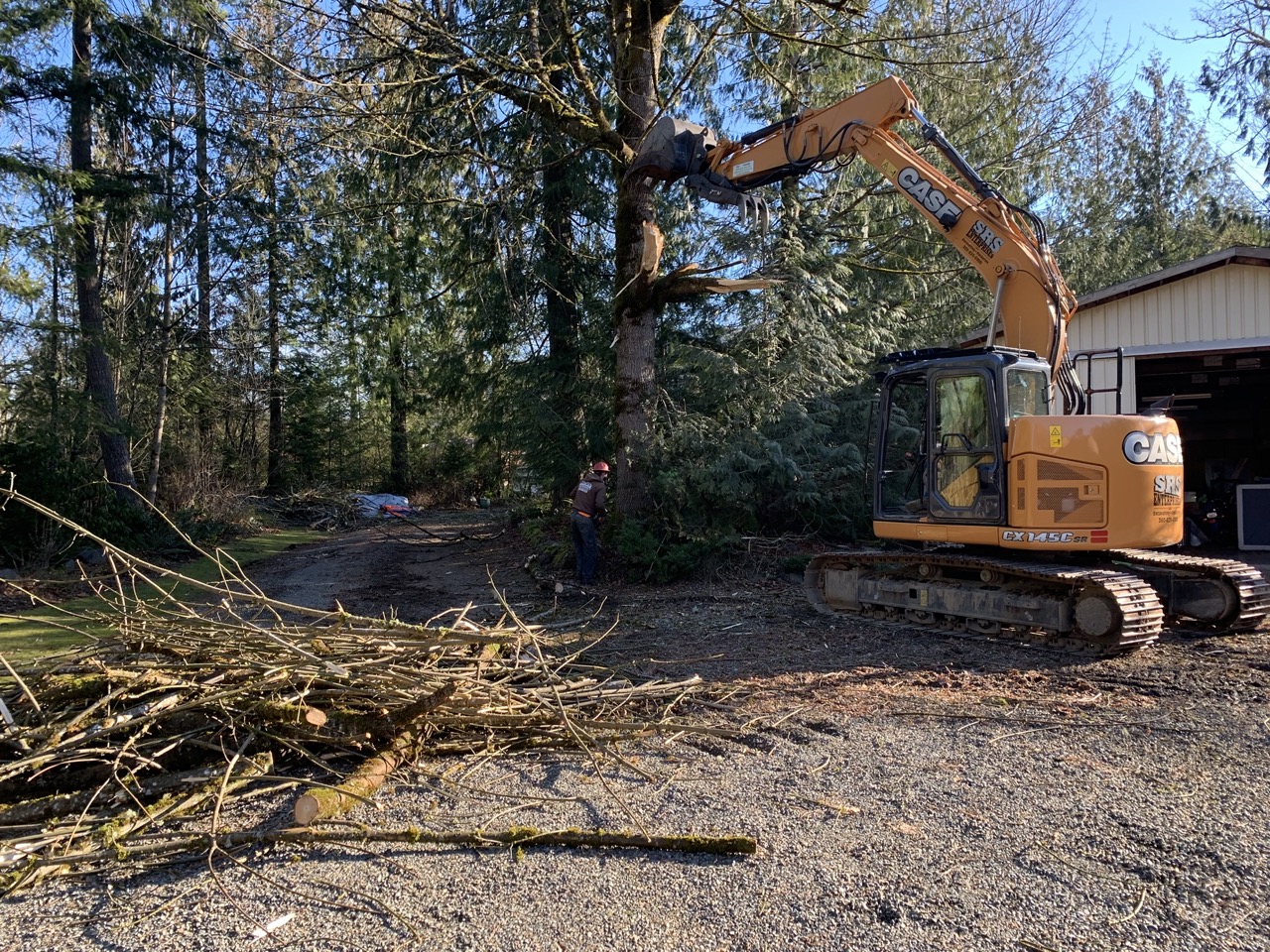
Dead Tree Removal
